7 Parenting Tips to Make Online Learning Fun and Engaging
Online education is here to stay. But many parents find that a faulty Wi-Fi signal isn't their biggest challenge. It is keeping their child interested.
"My child is sitting in front of the screen, but I can tell their mind is somewhere else."
You're not alone if that sounds familiar.
Welcome to the digital age of schooling, where the classroom is your living room and the teacher struggles to capture her students' attention amid the distractions of cartoons, pets, and hourly snacks.
Online education is here to stay. But many parents find that a faulty Wi-Fi signal isn't their biggest challenge. It is keeping their child interested.
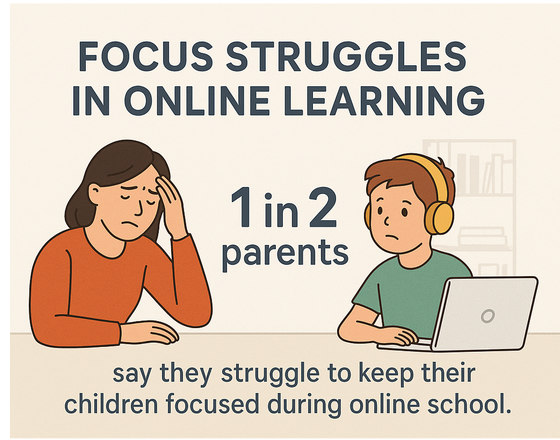
50% parents struggle in maintaining their child’s focus during online schooling.
So, what if studying at home didn't have to be boring?
What if it was genuinely enjoyable?
These 7 parenting suggestions go beyond simply "sitting with them while they study."
They are practical and creative ideas meant to make online learning fun and something your child actually looks forward to.
1. Turn Their Study Space into a “Mission Control”
Kids love being a part of something important. So, instead of a boring desk and chair, make an interesting workspace that is all theirs. Think of it as a miniature classroom or even a mission control centre.
Use colourful post-its as reminders. Put a funny lamp or some wall stickers on it.
Keep a whiteboard handy for doodles or "aha!" moments.
When kids feel in control of their surroundings, they are more engaged and focused.
2. Gamify their Routine
Even in online education, children thrive on play. Routine tasks can become enjoyable challenges by gamifying them.
Reward timely completion of assignments with points.
Create "boss fights" or levels for more difficult subjects.
Give them incentives to unlock, such as a treat or an additional fifteen minutes of screen time.
You’re not bribing them; you’re tapping into the same reward systems video games use. But this time, homework gets the win.
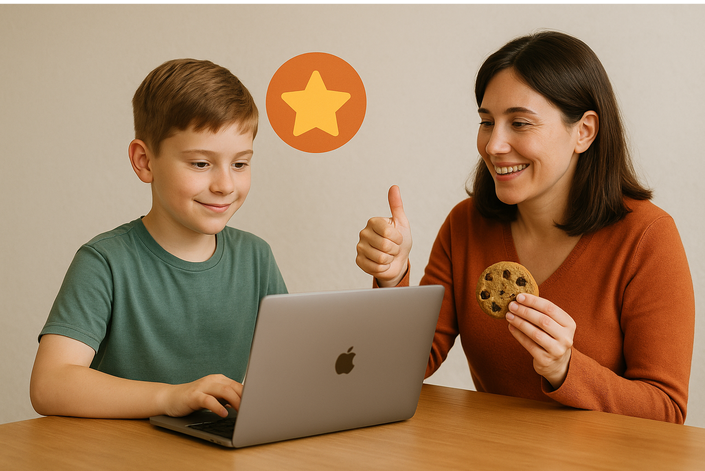
3. Learn together (Even if you pretend).
You don't have to be an expert in geography or maths. Being interested is what counts.
It fosters motivation and a sense of connection when your child observes that you are also attempting to learn something with them.
Say something like:
"Wait, that's really fascinating. Could you repeat that explanation for me?”
"I had no idea that the Earth spins so fast. Wow!”

These experiences really transform their learning from a solitary endeavour into a shared adventure.
4. Embrace the Breaks with a Twist
Let's be honest. No child can spend hours glued to a screen. To absorb, process, and regenerate, the brain needs breaks.
You can make those breaks enjoyable and intentional rather than merely saying, "Take a break."
A dance-off lasting five minutes.
Swift stretches with absurd names, such as "Rocket jumps" or "Jellyfish wiggle."
In-house mini-scavenger hunts.

These breaks maintain your child’s focus and vitality without slowing down their pace of learning.
5. Bring Subjects to Life
With your assistance, real learning comes to life even when online classes rely on only slides and screens.
Are you learning fractions? Divide the baked cookies.
Studying planets? Make them out of clay or papier-mache.

Are you learning a new language? Use that language to label commonplace items around the house.
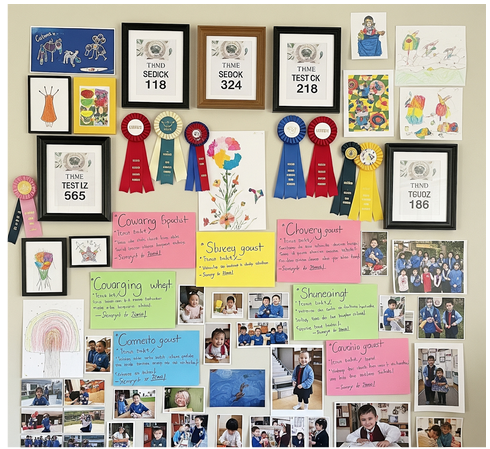
6. Celebrate Small Wins (Loudly!)
Not all kids get straight A’s in school. However, every child deserves recognition for their little accomplishments.
Maybe they:
Asked a question for the first time in class.
Completed their assignments without prompting.
Correctly spelled a challenging word.
High fives, stickers, or an amusing "achievement unlocked" certificate are great ways to enthusiastically celebrate these victories.

This creates positive reinforcement over time, which raises their motivation and self-esteem.
7. Let Them Teach You
This may be the most powerful trick of them all.
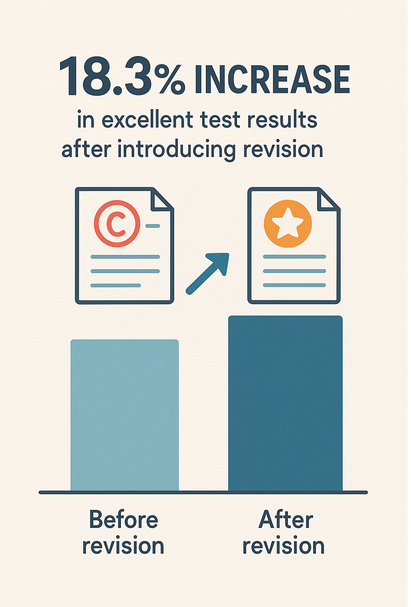
A child is not merely recalling a concept when they explain it to you; they are actively processing and revising it. They also feel more confident and accountable as a result.
Correlation between academic success and student revision.
Ask them, then:
"Could you demonstrate that for me?"
"How did you solve those maths problems?"
“Pretend I’m your student. How would you explain it to me?”
You’ll be surprised at how engaged and proud they become.
Final Thoughts: It's Not About Perfection
The goal of online learning is not to replicate the ideal school day at home. It all comes down to finding a rhythm that suits your family and bringing happiness, curiosity, and connection into it.
Are there going to be days off? Indeed. Will your child continue to moan occasionally? Of course. However, you can change the tide by using these easy parenting techniques—from boredom to breakthroughs, from resistance to routine.
Therefore, keep in mind that you are managing more than just a student the next time your child logs into class. A lifelong learner is being inspired by you.
And every silly dance break is worthwhile because of that.
Frequently Asked Questions
Q1. How can I maintain my child's motivation while they are taking classes online?
Ans. Making learning into a game can help maintain motivation. Establish learning "levels," use reward systems, and acknowledge minor victories. Playful tasks encourage their innate curiosity and spirit of competition.
Q2. At home, my child is easily distracted. How can I help?
Ans. Create a quiet, clutter-free study space to avoid distractions. Divide your study time into manageable chunks and intersperse them with enjoyable activities, such as quick dance-offs or stretches.
Q3. Is it bribery to use incentives like treats or screen time?
Ans. Not when used on purpose. In the same way that games do, you're positively reinforcing effort and engagement. Rewards should be straightforward and connected to worthwhile behaviours, such as finishing a task on your own.
Q4. How frequently should online learning be interrupted?
Ans. After 25 to 30 minutes of concentrated learning, young children should take a 5- to 10-minute break. To help them refocus, use this time for movement-based exercises or mini-games.
Q5. My child struggles to understand abstract concepts on the internet. Do you have any suggestions?
Ans. Bring those concepts to life! Use real-world activities, such as baking (for fractions), do-it-yourself crafts (for science), or even labelling common objects in a foreign language, to make learning tangible and memorable.
Q6. What if my child isn't doing well despite my best efforts?
Ans. Progress is not always linear. Put consistency, effort, and involvement ahead of grades. Be patient, celebrate small successes, and consider changing the approach based on your child's preferred learning style.
Suggested Read
7 Parenting Tips to Support Your Child in Online Schooling
The 4 Types of Parenting Styles: Which One is Right for You?
More Family Time, Less Stress: How Online School Helps Parents Balance Work and Family
Mira Lew
Aug 17, 2025