7 Parenting Tips to Support Your Child in Online Schooling
Online learning has turned dining tables into classrooms, kids into mini Zoom experts, and parents into sloppy tech support specialists.
Remember when "screen time" was the enemy? Now, it's a part of every school!
Online learning has turned dining tables into classrooms, kids into mini Zoom experts, and parents into sloppy tech support specialists. ������
Beyond fixing a tasty snack and some basic Wi-Fi issues, parents are of little help to their budding rockstars. This growing wave of Online is changing how children learn and how less parents are able to assist them.

So, how can you support your children during this digital schooling era without turning your home into a command center or losing your mind over login details?
Here are 7 smart, sanity-saving parenting tips to help your child not just survive, but thrive in online schooling:
A School-Like Routine is Key
Kids need a rhythm. Even without a school bell, you can set up a school-like disciplined time-table that is full of signals for them to remain in the learning mode. This time-table should have fixed wake-up time, a breakfast slot, getting formally dressed (yes, you have to, even for an online school), lunch time, etc.
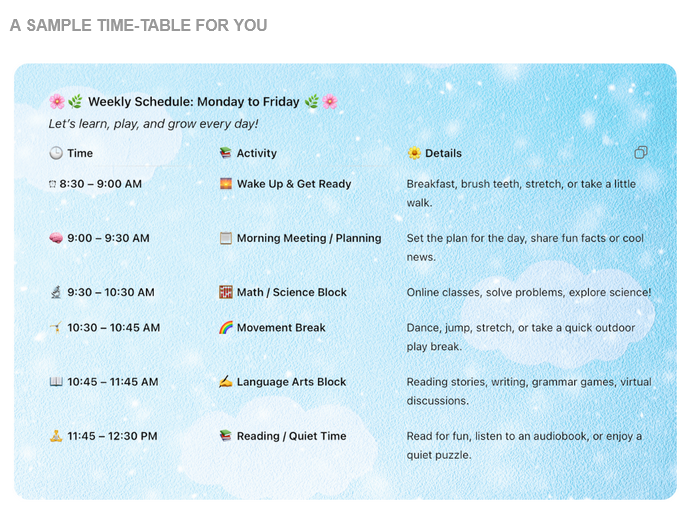
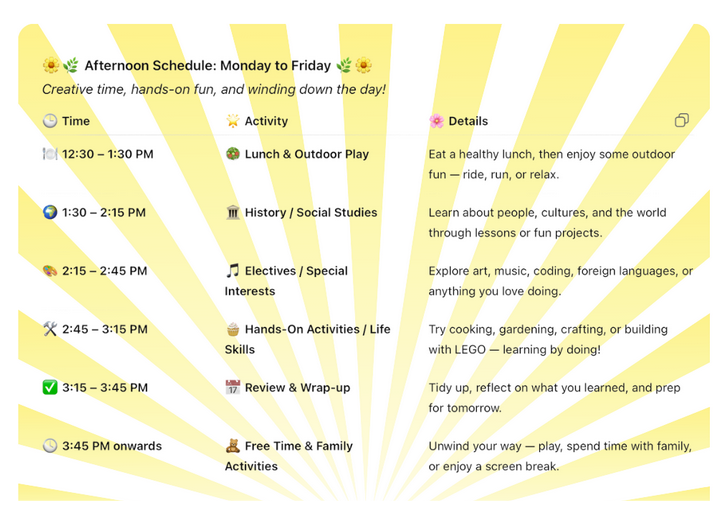
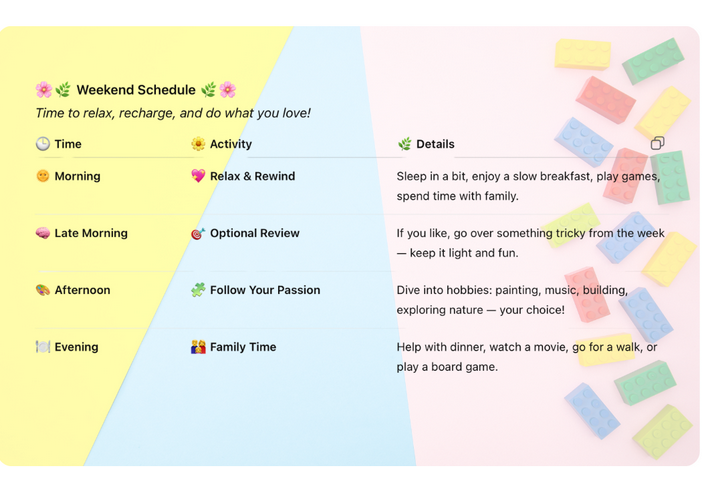
So, go ahead and create this structure to prepare your child for highly efficient online learning. You see, all you gotta do is replicate that rhythm!
Strict Study-Zone inside House
It is super important to set up a calm, clutter-free space for online school. Basic idea behind this? This space should feel different from homely play areas. A separate space like this will signal your child’s brain that this is the place where we focus.
Instruct your child to keep essential school supplies like books, stationery, headphones nearby, so that s/he doesn't have to leave the space repeatedly. Visual boundaries, like a small mat or shelf divider, can further reinforce the idea that this is their personal learning zone.
In this space, try to include natural light and a chair that’s only semi-comfortable - we don’t want to put them to sleep.

You’re Not the Teacher. You’re the Anchor.
You may find it tempting to hover over your child, but what your child really needs is his/her own independence in school. So, do not start solving everything for them. Instead, just keep a reasonable distance and if required, only help them figure out how to overcome their challenges.
Let them struggle a little. It builds character and resilience. When they do succeed on their own, even in small ways, that victory will feel earned. And that’s a big part of growing up.
Be like their anchor that holds everything together, not like their teacher who closely guides their academic progress.
Don’t Let Tech Troubles Stress You Out
Online learning is beneficial for both you and the environment. However, technical glitches can happen sometimes and you need to relay to your child that they are completely normal. Let your child observe how you troubleshoot them step-by-step. It prepares them to handle small tech issues independently in the future.
There’s never a need to panic due to them. Instead, adopt a calm problem-solving approach to fix these problems.
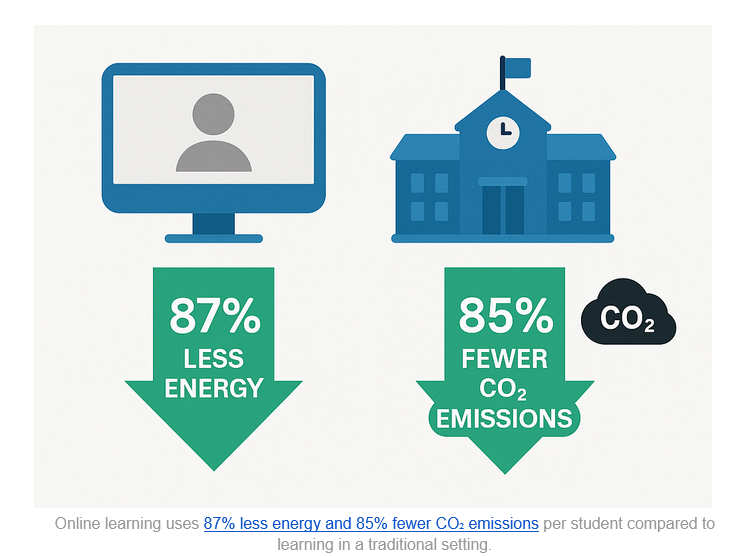
Online learning uses 87% less energy and 85% fewer CO₂ emissions per student compared to learning in a traditional setting.
At the very least, they will instill resilience in both you and your child and undoubtedly expand your digital skills.
Talk About Feelings. Not Just Grades.
Ask questions beyond “What did you learn?” Try: “What made you laugh today?” or “What was frustrating?” Online school can stir up a lot of emotions within your child.
Emotional check-ins are as important as homework checks. Your interest in their experiences matters more than you think.
Short Breaks to Refocus Energy
Online learning doesn’t have to be all about screen time. You can help your child stay sharp by adding short, purposeful breaks throughout his/her day. A quick stretch, five minutes of doodling, or a walk around the house can refresh their focus and energy. You can encourage breaks between subjects or after video sessions. Use timers or playlists to keep breaks fun but time-bound.
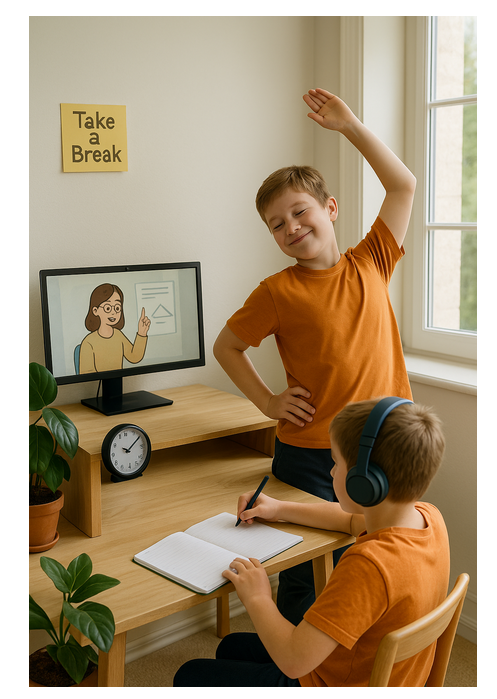
Think of it as digital recess. These small breaks improve attention span and prevent burnout. They also help your child to stay involved and energized throughout the school day.
Celebrate Small Wins - They’re Actually Big.
Did they finish a tough assignment? Attend every class this week? Celebrate it. A “high-five” moment boosts your child’s motivation, reinforces his/her effort, and tells your child: you’re doing great and I see it.

So don’t wait for perfect scores. Celebrate their consistency and absolutely make them feel seen. Because when your child feels seen, they’re more likely to believe in themselves.
In Conclusion
Online schooling is catching on and soon it will become the new normal in schooling. If you closely look at it, it's more than just a change in schooling; it’s a change in parenting.
We’re not saying that you don’t have to master everything overnight. But by being present, patient, and proactive, you can become a great support system for your child.
Frequently Asked Questions
Q. How can I create an effective routine for my child’s online school day?
Ans. Set a rhythmic daily routine. Daily wake-up times need to be the same, plan scheduled meals, set times for homework, breaks, and screen-free time. All this will help your child switch mentally to learning mode.
Q. What’s the ideal setup for an online learning space at home?
Ans. Choose a quiet and clean spot that receives natural light. Keep distractions to a minimum. Ensure school supplies are organized close by. This space should be away from beds or lounges that encourage napping.
Q. Should I sit with my child during online classes?
Ans. You should avoid this. It’s better to support them from a distance. Allow them their independence and encourage problem-solving, but be available if they need your help.
Q. How do I handle tech issues during online classes?
Ans. Stay calm and assure your child that tech problems are normal. Treat it like a learning experience.
Q. How can I keep my child motivated during online learning?
Ans. Celebrate small wins - a fiished assignment, maintained focused, and consistency. Positive reinforcements and recognizing effort are great to maintain high motivation.
Q. Why is it important to talk about feelings and not just academics?
Ans. To combat stress, frustration, and a sense of disconnection. Try checking in regularly on your child’s emotions. That will help them feel supported and understood.
Suggested Read
The 4 Types of Parenting Styles: Which One is Right for You?
More Family Time, Less Stress: How Online School Helps Parents Balance Work and Family
Mira Lew
Jul 23, 2025