How to Teach Responsibility to Teens – Proven Parenting Strategies
It focuses on key ideas: clear expectations, consistency, and helpful feedback. It also gives useful tips, like doing age-appropriate chores, making decisions together, and learning about money and technology.
What are the responsibilities of a teenager?
Teaching responsibility to teens is a vital part of their growth. It equips them with essential life skills.
Responsibility helps teens manage their time, tasks, and commitments. It also fosters
Parents, educators, and mentors play a crucial role in this process. They can guide teens by setting examples and providing opportunities.
Understanding
This guide will look at ways to help students learn responsibility. It will also show how to prepare them for a responsible future.
Why Responsibility Is Important for Teens
Responsibility is a cornerstone of personal and professional success. It prepares teens for the challenges and expectations of adulthood. Embracing responsibility helps them develop a strong work ethic and become reliable.
Here are a few key reasons why responsibility is essential for teens:
- Builds trust and respect among peers and adults.
- Enhances self-esteem and self-worth.
- Prepares teens for real-world challenges.
Being responsible also teaches accountability. Teens learn to own their actions and reflect on their outcomes. This builds character and integrity, crucial qualities for long-term success.

Understanding Adolescent Growth and Youth Empowerment
Here's how empowerment aligns with
- Encourages independent thinking and problem-solving.
- Fosters leadership skills and teamwork abilities.
- Promotes engagement in societal and personal development.
Through
Key Principles to Teach Responsibility to Teens
Teaching responsibility to teens requires thoughtful guidance and effective principles. Setting clear expectations is the foundation of this process. Teens need to understand what is expected of them in various situations.
Another key principle is consistency. Reliable rules and routines help teens internalize responsible behavior. When rules are enforced predictably, teens learn the importance of accountability.
Feedback is also crucial. Regular feedback helps teens see how they are doing and what they can improve.
Constructive criticism, paired with positive reinforcement, encourages continued growth.
Consider these principles to guide teens:
- Set clear, achievable goals.
- Encourage open communication about responsibilities.
- Provide opportunities for decision-making and learning.
By using these principles, parents and educators foster a sense of responsibility. Teens develop crucial life skills that empower them for future success. This approach ensures they gain independence while navigating their adolescent years.
Practical Strategies for Parents and Educators
Teaching teens about responsibility includes simple ways to help them grow. Parents and educators can use diverse methods to guide teens effectively. One important strategy is to provide structure. Clear schedules and routines help teens manage their time and tasks.
Communication plays a critical role in teaching responsibility. Talking openly about what we expect and what we need to do helps build trust and understanding.
These conversations encourage teens to express their thoughts and concerns.
Real-life scenarios offer valuable lessons. Encouraging teenagers to take part in volunteering or community events helps develop a sense of responsibility.
These experiences illustrate the impact of their actions on others.
Another effective strategy is modeling responsible behavior. Teens often emulate adults, making it important to demonstrate responsibility through actions.
Consider including these strategies:
- Set up family meetings to discuss responsibilities.
- Encourage participation in team activities for collaboration skills.
Using these techniques, parents and educators create a supportive environment.

Assigning Age-Appropriate Chores and Tasks
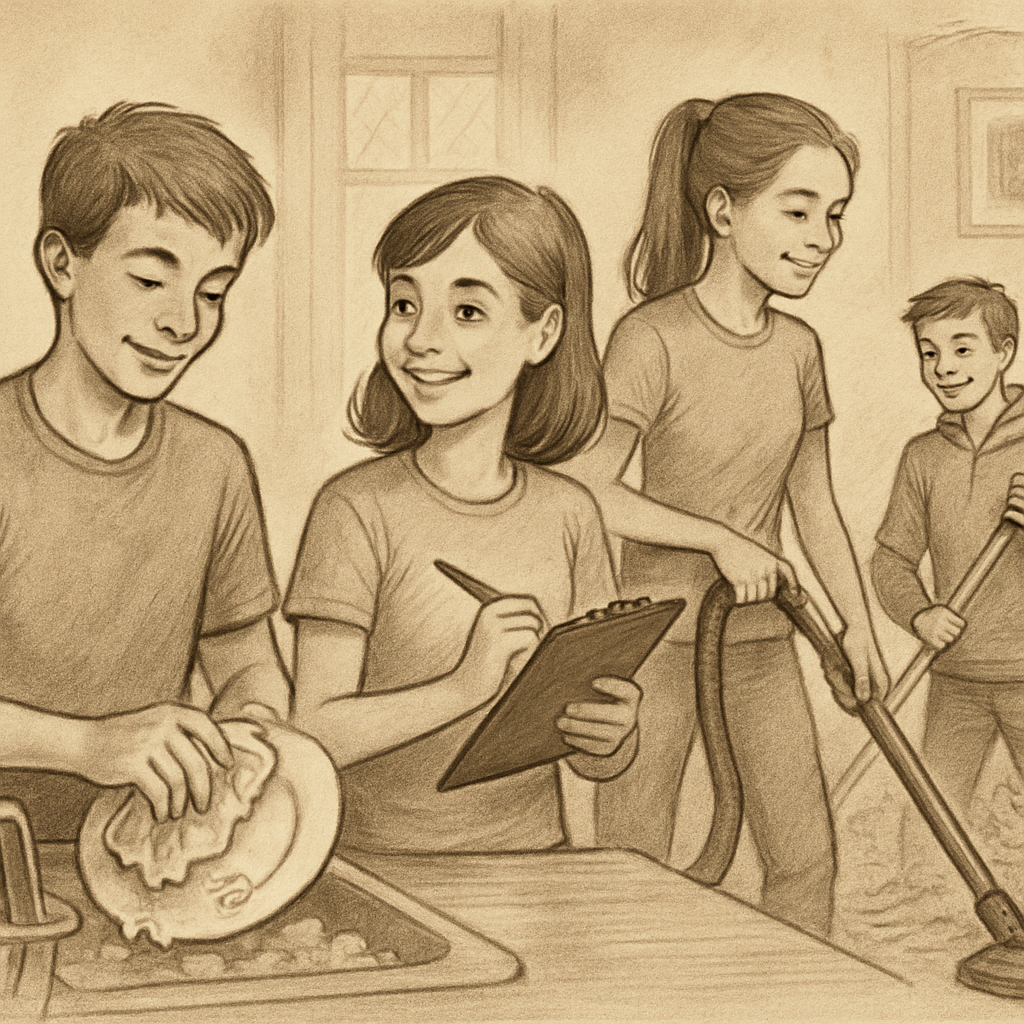
Assigning tasks at home teaches teens valuable lessons. Doing chores helps build responsibility by showing how important it is to contribute.
Starting with age-appropriate tasks ensures they are manageable and instructive.
Begin with simple chores and gradually increase complexity. Make sure tasks match their skills to help them feel more confident.
Here are some chore ideas:
- Young teens: clean their rooms, take out the trash.
- Older teens: assist in meal preparation, mow the lawn.
These tasks teach life skills and time management. Chores help teens understand accountability and teamwork within the family.
Involving Teens in Decision-Making
Involving teens in decision-making empowers them to think critically. Sharing family decisions teaches responsibility and the consequences of one's actions.
This method helps them explore options and make informed choices.
Begin by discussing minor decisions, gradually progressing to more significant ones. Encourage open dialogue, allowing teens to express opinions and reasons.
Consider these discussion topics:
- Choosing family activities or outings.
- Planning and managing a personal schedule.
These activities help teens see how their choices affect themselves and others. This builds a sense of responsibility.
Teaching Financial and Digital Responsibility
Financial literacy is crucial for responsible adulthood. Teaching teens to manage money helps them develop budgeting skills and self-discipline. Discuss saving, spending, and setting financial goals to impart these skills.
Digital responsibility is equally important. Teens must navigate online environments safely and respectfully. Teach them about privacy and the permanence of digital footprints.
Try these approaches:
- Create a simple budget for a personal goal.
- Discuss the consequences of sharing personal information online.
By understanding financial and digital responsibility, teens learn to make sound decisions, enhancing their personal and professional futures.
Encouraging Accountability and Self-Reflection
Accountability is a cornerstone of responsibility. Encouraging teens to recognize their actions helps them grow and become more responsible.
When they make mistakes, guide them to understand the consequences and learn from them.
Self-reflection is a powerful tool for personal growth. Encourage teens to regularly evaluate their actions and decisions. This practice helps them see what they do well and where they can get better. It builds self-awareness.
Practical ways to promote accountability and self-reflection include:
- Setting personal goals and tracking progress.
- Keeping a journal to document thoughts and experiences.
- Engaging in discussions about recent decisions and their outcomes.
When teens learn to be accountable and reflect on their actions, they become more responsible. This helps them handle life's challenges better.
This skill set not only prepares them for adulthood but also enhances their ability to connect with others positively.
Building Responsibility Through Real-Life Experiences
Real-life experiences are invaluable for teaching
Volunteering is one effective way to instill responsibility. Getting involved in community projects helps teens understand how their actions make a difference.
It nurtures a sense of duty and community awareness, which is crucial.
Another strategy is to let teens handle small leadership roles. Organizing a family event or school activity helps them practice decision-making and planning. It also builds confidence and critical thinking skills.
Here are more real-life experiences to build responsibility:
- Managing a personal budget.
- Taking care of a pet.
- Assisting in meal preparation.
Through these experiences, teens learn the intricacies of responsibility, preparing them for greater challenges in life. Empowering teens with these practical skills fosters a responsible and fulfilling future.
Overcoming Common Challenges in Teaching Responsibility
Teaching teens about responsibility can be tough. One common issue is balancing freedom and control. Teens need guidance, yet also the space to grow on their own.
Parents and educators can address this with clear communication and realistic expectations. It's important to be patient and understanding, tailoring approaches to individual teens.
Consider these strategies to overcome common challenges:
- Set clear boundaries with room for flexibility.
- Offer consistent feedback and support.
- Encourage open dialogue about responsibilities.
Facing these challenges head-on helps teens learn effectively and builds mutual respect and trust.
The Long-Term Benefits of Teenage Responsibility
Teaching responsibility to teens offers substantial long-term benefits. Responsible teens often grow into reliable adults. They develop skills that are crucial for both personal and professional success.
Here are some key benefits of fostering
- Improved decision-making capabilities.
- Stronger time management skills.
- Enhanced resilience and flexibility.
- Better relationship management.
These results are key to a happy and successful life. Helping teens take on responsibility prepares them to make good contributions to society and achieve their best.
Conclusion: Empowering Teens for a Responsible Future
Fostering responsibility in teens is a critical investment. It paves the way for their growth into conscientious adults. By providing guidance and support, we empower them to take charge of their actions.
Parents and educators play a vital role in this process. When teens understand the value of responsibility, they are better prepared for life's challenges. This foundation of responsibility encourages them to positively impact the world around them. Let's work together to shape a responsible future.
Summary
This guide explains why responsibility matters for teens and how empowerment supports healthy
It focuses on key ideas: clear expectations, consistency, and helpful feedback. It also gives useful tips, like doing age-appropriate chores, making decisions together, and learning about money and technology.
It focuses on responsibility and thinking about oneself. It also looks at real-life experiences like volunteering and being a leader. It discusses common problems and how to talk about them. It also explains how to set flexible boundaries.
Long-term benefits include better decision-making, time management, resilience, and stronger relationships.
Frequently Asked Questions
Ans. Youth play an important role in shaping society while learning to shape their own future. Their responsibilities include building good values, respecting others, learning continuously, and contributing positively to family, school, and community.
Q2. What should a 14-year-old be responsible for?
Ans. A 14-year-old should be responsible for basic self-care, schoolwork, time management, and following family and school rules. At this age, learning accountability and respect is key.
Q3. What should a 16-year-old be responsible for?
Ans. A 16-year-old takes on more independence, such as managing studies seriously, making responsible social choices, helping at home, and understanding the consequences of actions, including online behavior.
Q4. How can I teach my 18-year-old to be more responsible?
Ans. To teach an 18-year-old responsibility, involve them in decision-making, set clear expectations, allow natural consequences, and encourage independence while offering guidance.
Q5. Importance of responsibility for teens
Ans. Responsibility is important for teens because it builds confidence, discipline, trust, and prepares them for adult life.
Q6. What are the responsibilities of a teenager?
Ans. Overall, a teenager’s responsibilities include personal care, academics, emotional control, respect for others, and contributing positively to their surroundings.
Suggested Reads
Mira Lew
Dec 16, 2025