7 Parenting Tips for Tracking Your Child’s Progress in an Online School
In a traditional school, there are definitely some tangible signs of progress. You can find a worksheet in the bag, see a math test on the fridge, or notice the dreaded parent-teacher meeting where the teacher looked at you like, “We need to talk.”
In a traditional school, there are definitely some tangible signs of progress. You can find a worksheet in the bag, see a math test on the fridge, or notice the dreaded parent-teacher meeting where the teacher looked at you like, “We need to talk.”
But with online schooling, it can sometimes feel like your child is studying inside a black hole. You hear clicking, see them on a screen, and when you ask, “So, what did you learn today?” you often hear the classic response: “Uhh… stuff.”
So how can you, as a parent, keep track of their actual learning without hovering or nagging incessantly?
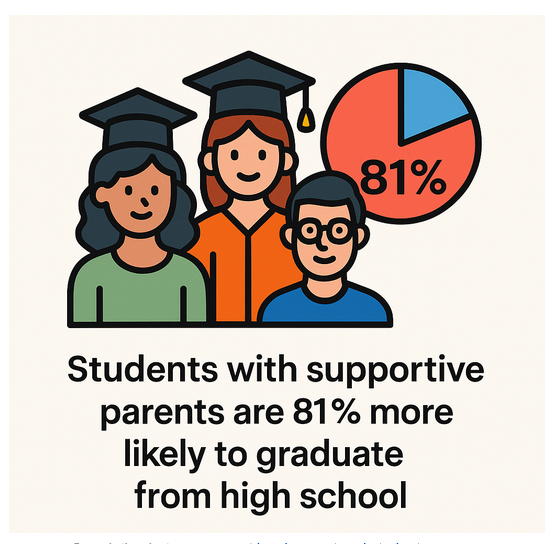
Correlation between parent involvement and student success.
These 7 kid-friendly, realistic, and useful parenting suggestions will help you keep an eye on things while still keeping your cool.
1. Look for growth rather than just grades
Progress is more than grades. So focus on how your child
thinks, solves problems, and communicates ideas. And maintain this focus
because the emphasis of online learning frequently moves to digital assignments
and grades.
"Was this easier for you than last time?" is one example of a question to ask.
"What did you do differently in this situation?"

Even in small ways, these questions can help you see your child’s progress over time. And this progress can occasionally be gradual and silent.
2. Weekly Check-In Schedule
Establish a weekly routine in place of daily enquiries. This can perhaps be a leisurely Saturday morning review or a Sunday evening "School Scoop" over snacks.
Examples of some open-ended questions:
"What are you proud of this week?"
"What was difficult for you, but you made an effort?"

Your child is more likely to share freely when you create a
relaxed and safe environment over the weekend in a place of comfort with snacks available.
3. Make Use of Their Electronic Resources Together
Dashboards, portals, or apps that display attendance, grades, and instructor feedback are frequently found in online schools.
So, you can go over them with your child rather than using them covertly. "Let's look at what you've done this week," you could say. And give them time to click through the platform and explain their assignments to you.
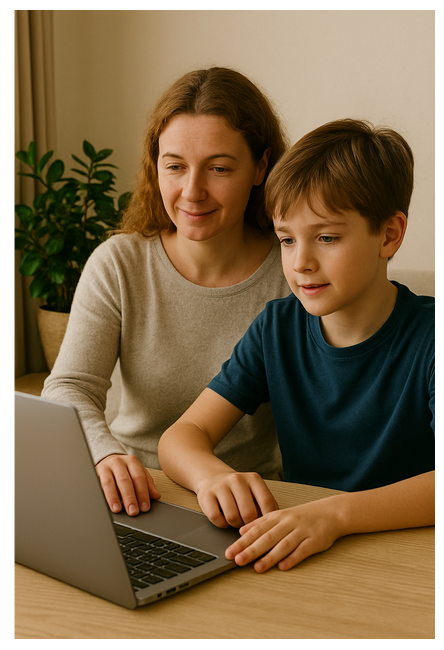
This promotes a sense of ownership. How? Because now it's
not just your problem; it's their job too.
4. Pay Attention to Involvement, Not Just Submission
Just because your child turned in the worksheet does not guarantee they understood the lesson.
So do verify whether they are participating (in person or virtually), attending live sessions, and giving their presence in class discussions or projects.
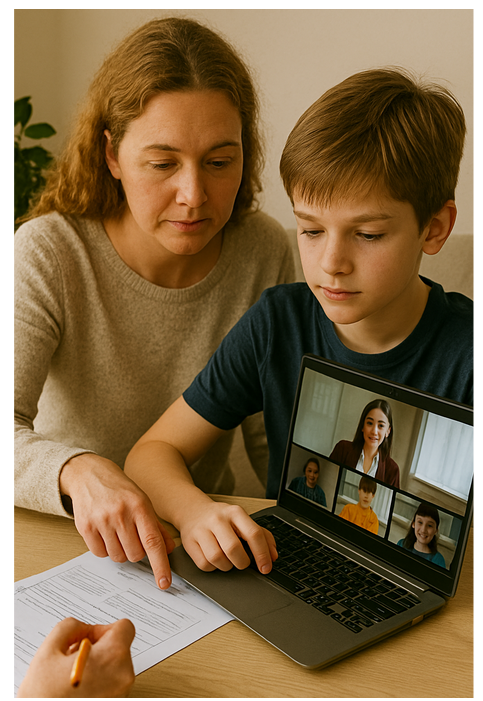
Pro Tip: Get feedback on your child's participation
or ask the teacher if you can occasionally watch a live class.
5. Pay Attention to Emotional Signs
Academic achievement is only one aspect of progress; emotional development is equally important.
Is your child more self-assured now? Do they feel less nervous about picking up new subjects? Do they have better time and tech management skills?
Celebrate their resilience, curiosity, and confidence—these are skills that last a lifetime and matter just as much as academic milestones.
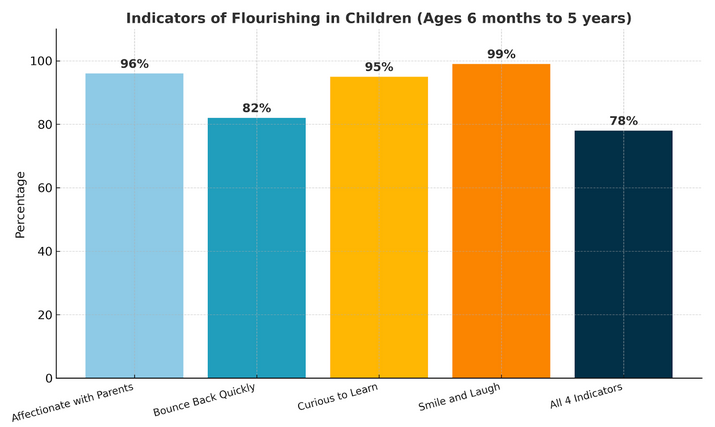
Indicators of flourishing in children (ages 6 months to 5 years) when parents monitor their emotional health.
These indicate genuine growth. Honour them. It's crucial to
recognise that your child is changing, even if their grades don't show it yet.
6. Make a Progress Wall Visual
Display your child’s excellent work, art, test scores, or encouraging remarks from teachers on a "progress wall" at home.
It also makes achievements feel real and visible—reminding them (and you) that progress isn’t just about marks, but milestones too.
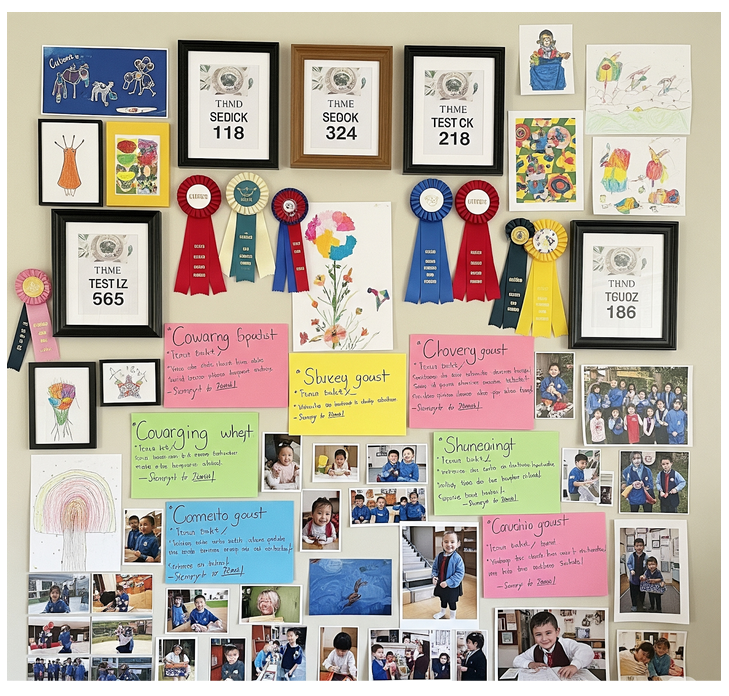
This way, your child can see how far they've come thanks to this. On bad days, it will give them something to be happy about and will increase their motivation.
7. Keep in Touch with Teachers; Don't Wait
Teachers are your friends. Plan frequent check-ins, even quick ones, once a month to gain insight into your child's attendance, attitude, and learning preferences in addition to their grades.
These conversations build trust, uncover silent struggles, and show your child that school and home are united in supporting their success and well-being.

Enquire not only about your child's difficulties but also about how you can help at home. Pressure is always overcome by a partnership.
Concluding Remark: You're Building Progress.
Your relationship with your child is your most potent tracker. Real learning occurs when they realise you're not passing judgement but offering support, and when they realise your objective is progress rather than perfection. They open up at that point.
Therefore, don't worry about checklists and charts. Even if they roll their eyes, keep showing up to start the conversation and add a little to their encouragement.
Don’t forget, you’re a big part of their educational process.
Frequently Asked Questions
Q1. How can I tell if my child is really learning in online school?
Ans. Look at how they are doing beyond their grades. Observe how
they address problems, comprehend and explain concepts, and apply their
learning. Ask them questions such as, “What did you find interesting when you
were learning today?”
Q2. What do I do if my child won’t talk about school?
Ans. Avoid direct interrogations. Instead, we make casual,
low-pressure opportunities: “Why don’t you join me for a Sunday snack time?” Consider
asking non-academic questions, such as “What made you laugh this week?” And it
serves to earn their trust and encourages their openness.
Q3. Should I constantly monitor my child’s online school dashboard or portal?
Ans. There is no need. Instead, it should be an activity that you do together. Once a week, sit with your child and go through the dashboard together, ask them to explain what each assignment meant to them.
Q4. How often should I communicate with the teachers in an online school?
Ans. Do a quick check-in once a month. No need to be formal about
it — just email a quick note or give a call asking about how your child is
doing and what they might be able to work on at home.
Q5. What if my child is doing okay academically but seems emotionally off?
Ans. Emotional progress is equally important. Look for
fluctuations in confidence, motivation, and anxiety. Celebrate their small
improvements in emotional areas, and if needed, reach out to teachers or
counselors for support.
Q6. My child completes assignments, but I don’t think he’s really learning anything. What can I do?
Ans. Finishing assignments doesn’t always equal understanding. Ask them follow-up questions: “Can you teach this back to me?” or “What was challenging about the other one?”
Q7. What if I don’t have time to track everything every day?
Ans. You don’t need to. A simple weekly check-in of 10 to 15 minutes is often enough. Prioritize quality over quantity and create a warm space. Ask questions that invite reflection, not just a report.
Suggested Read
Mira Lew
Jan 02, 2026